Independent. Impartial. Certified.
Accredited assessor network — now recruiting nationally

Hold a valid PPRA licence?

Hold a valid PPRA licence and want to meet owners directly?

Earn extra monthly cash doing what you already do best. You are visiting properties anyway — get paid for the visit, and meet the owners who become your next listing while you are there.

Watch this 3 minute video to learn how you can get paid to meet owners

Video coming shortly How you get paid to meet owners

An assessor is the person who goes and looks. You attend a short-term rental, record what is actually there against a fixed checklist, and send it in. You are not inspecting, not advising, and not deciding anything — an independent auditor does that afterwards.

Who it's forPPRA-registered property practitioners holding a current Fidelity Fund Certificate — estate agents, rental agents and property managers
What you doAttend the property, photograph it against a set list, collect certificates, complete the checklist on your phone. Around two hours on site.
How you're paidPer completed assessment, once the pack has been verified. Never for attendance alone, and you are never obliged to accept a job.
What you needA current PPRA Fidelity Fund Certificate — this is the entry requirement, not a preference. Plus a smartphone, your own transport, a clear record and verifiable identity.
First stepA free eligibility check. A few questions, no cost and no obligation. Nothing is charged before you know whether you qualify.
Start here

So what is an assessor, actually?

Short version: you go to a property, record what is there, and send it in. You are not inspecting, not advising, and not deciding anything.

What it is

An accredited person who attends a short-term rental and documents its compliance position — photographs, certificates, measurements — against a fixed checklist for that property type and municipality. Roughly two hours on site, at a time you agree with the owner.

What it is not

You are not an inspector and you carry no authority. You do not pass or fail a property, do not tell an owner how to fix anything, and do not sell them a service. An independent auditor makes the determination afterwards — never someone from your side.

Why it exists

Around 90,000 properties will need registering and no municipality has the people to visit them. That work has to be done by an accredited network, paid per job. You are that network.

Who qualifies. A current PPRA Fidelity Fund Certificate is the requirement. Not a shortcut — the requirement. You already hold a regulated credential, you are already accountable to a body that can remove it, and you are already visiting properties. The training takes you from there to accredited.

Why only property practitioners. An assessor records what is at a property; they do not judge whether the work behind a certificate was done correctly. That judgement belongs to the electrician, gas practitioner or fire officer who signed it — which is exactly why those trades cannot also be assessors here. A tradesperson checking their own profession's certificates is not independent, and a council would be right to say so.

Why property people do this

Three reasons, and the first one isn't the money.

You meet the owners

Every property you assess belongs to someone who owns property — and owners become sellers. You are building your own pipeline, and being paid per visit while you do it. Every other side income costs you prospecting time. This one creates it.

Cash flow between commissions

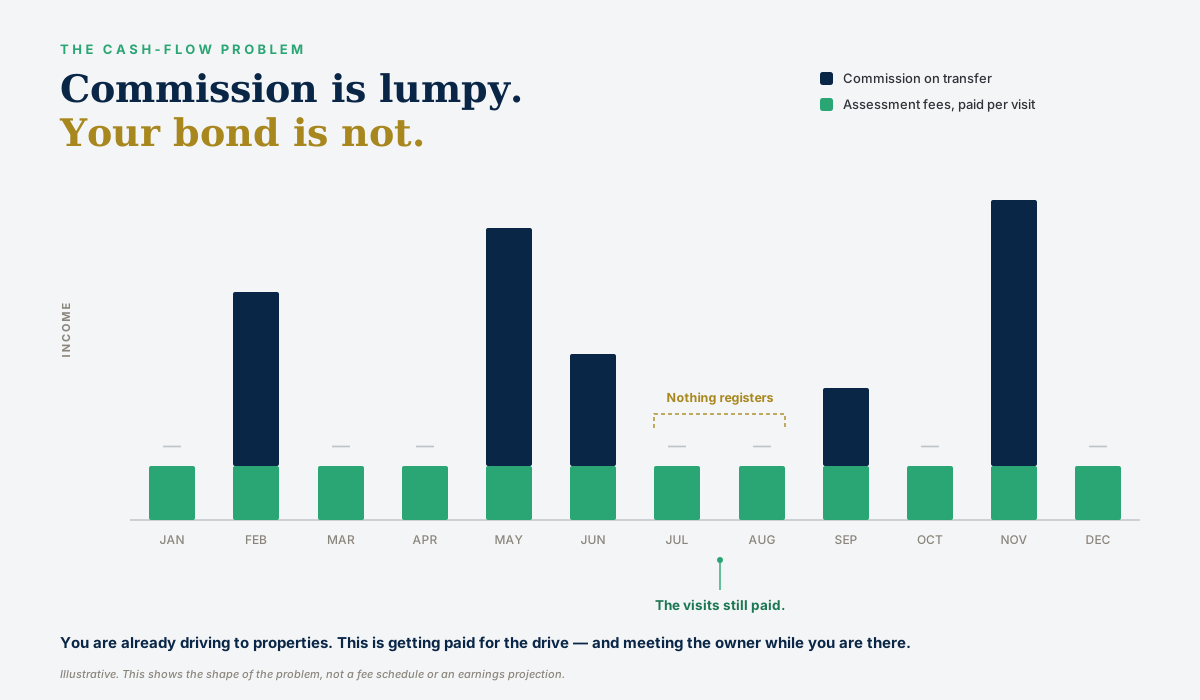
Agency income arrives in lumps. You work for months, the commission finally lands, and much of it is already spoken for. Assessment work pays per job and fills the months in between.

It's the same industry

No career change, no retraining into something unrelated. Same properties, same suburbs, same conversations — a second income line running off work you already know how to do.

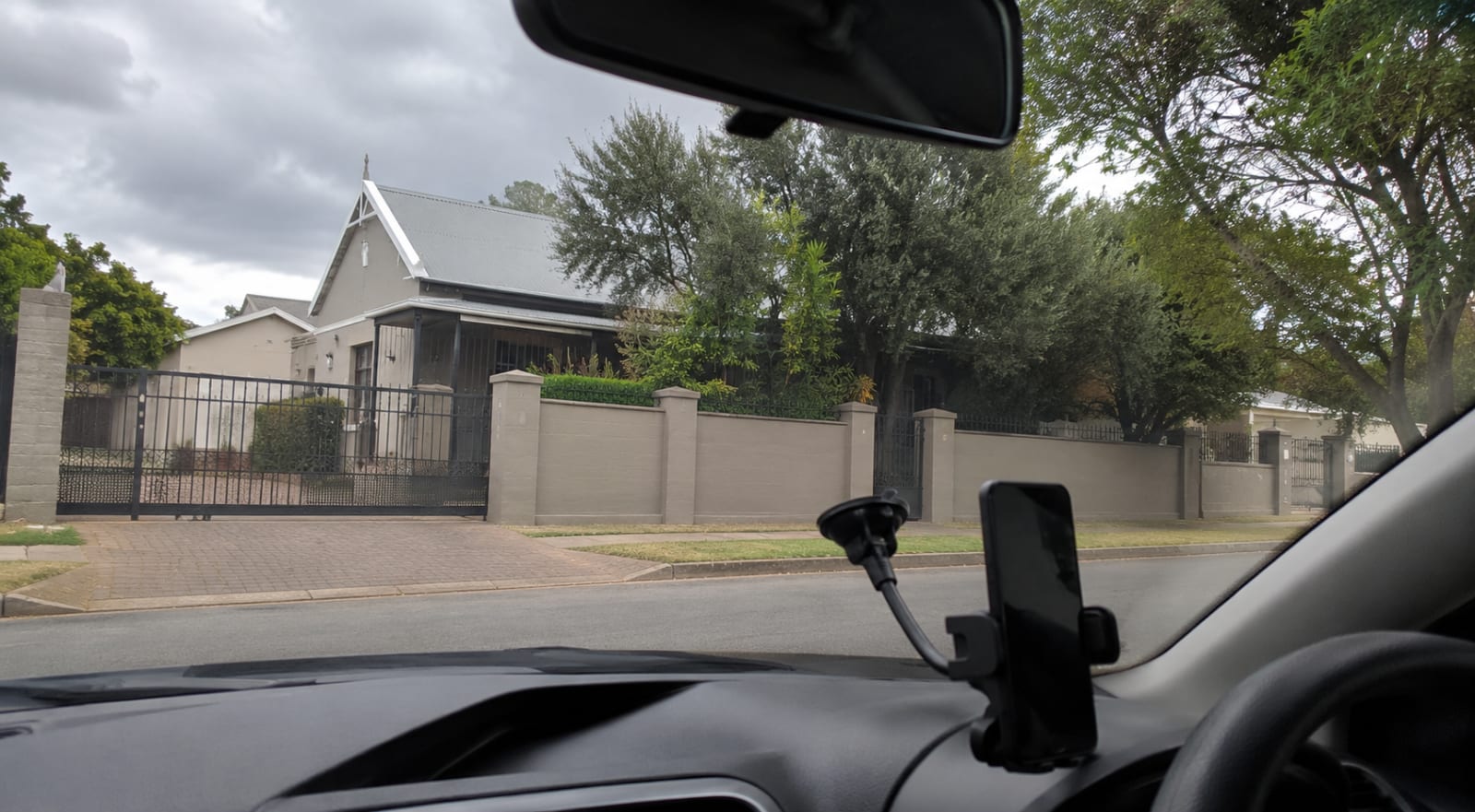
The view from a parked car outside a suburban South African property, at the start of an assessment visit.
The work itself

What you actually do on the day.

It is deliberately unglamorous. That is the point — the job is to record what is there, accurately, without interpreting it.

  • Drive to the property at a time arranged with the owner
  • Photograph the property against a set list of items
  • Collect and photograph certificates — electrical, gas, fire, and others
  • Take basic measurements where the checklist calls for them
  • Complete the checklist on your phone and submit

You do not decide anything. You are not passing or failing the property, and you are not advising the owner. You record what exists. An independent auditor makes the determination later — and it is never someone from your side.
Who it suits

People already close to property.

  • Estate and rental agents — already visiting properties, already known locally
  • Property managers — same access, same relationships
  • Rental agents and property managers — you are already in these properties every month
What you need

Less than you'd expect.

  • A smartphone with a working camera
  • Your own transport
  • The patience to follow a checklist carefully, every time
  • A clear criminal record and verifiable identity

The credential is the barrier, and deliberately so. A current PPRA Fidelity Fund Certificate is what makes you eligible. It means you are already a regulated professional with a code of conduct and a body that can strike you off — which is exactly what a council relies on when it accepts your record of a property.

The money

How you get paid — and what it costs you.

Stated plainly, because "we'll discuss it later" wastes everybody's time.

What you earn

A set fee per completed assessment, paid on submission and acceptance of the evidence pack. More assessments, more income — you choose how many you take.

You are allocated work in the area you nominate. You are never obliged to accept a job.

What you pay

A one-off verification fee when you apply, a course fee for accreditation, and a monthly software licence for the system that sends you work.

The monthly licence does not start until your first job is allocated. You will not pay a subscription while waiting for work.

Honest timing. Registration frameworks are still being finalised and the first council contracts are not yet signed. We are building the assessor network now so that capacity exists the day it is needed. If you join, expect to be accredited and ready before there is steady volume. We would rather tell you that than have you find out.

Commission arrives in spikes. Assessment fees are paid per visit, in the months between.
Illustrative shape, not a fee schedule or an earnings projection.
Joining

Four steps from here to your first job.

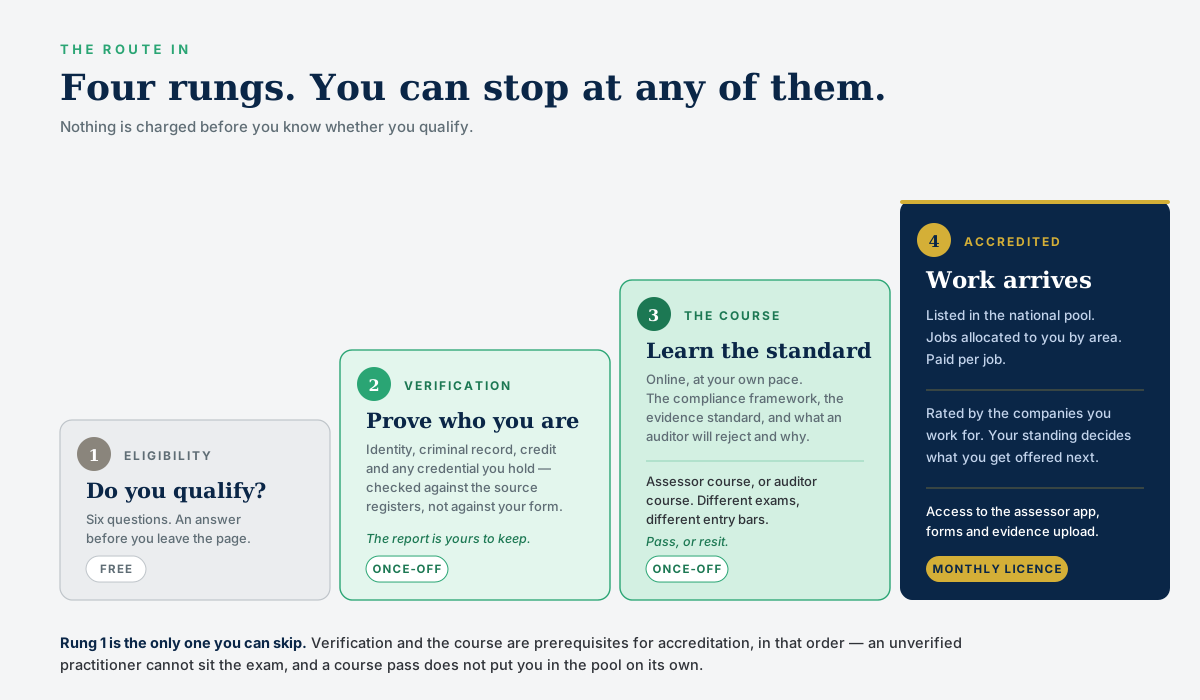
The four rungs to accreditation: eligibility is free, verification and the course are once-off, accreditation carries a monthly licence.
Nothing is charged before you know whether you qualify. Rung 1 is the only one you can skip.

Why the verification step is paid. It filters. Someone unwilling to verify their own record is not someone a council will accept on a property — and the report belongs to you afterwards, whatever you decide about the rest.

Example · your profile, as the company booking you sees it
Sofia Daniels
Accredited Assessor · STRCAS-A-0417
Cape Town Metro · Southern Suburbs
Good standing
4.8average across 63 completed assessments
Punctuality4.9
Completeness4.7
Conduct on site5.0
Turnaround4.6

Plus audit outcomes and rejected evidence — scored by the system, not by the company that booked you.

Standing decides allocation. A higher standing means more jobs offered in your area. It is the whole mechanism — there is no queue to jump and nobody to ask.
Standing

You carry a rating, and it matters.

After each assessment the company that engaged you scores the work. That score is visible, it decides how much work you are offered, and sustained poor standing costs you the accreditation.

  • Punctuality — did you arrive in the window you accepted
  • Completeness — did the pack come back whole, first time
  • Conduct on site — with the owner, the staff and any guests
  • Turnaround — returned inside the window you agreed

If it slips, allocation slows first. Fewer jobs are offered automatically, and you are told which dimension slipped and what to fix. Suspension and re-training come after that, and withdrawal only if nothing changes.

Not there to catch you out — it is what makes the credential worth holding. Proof the standard holds after accreditation, not just at it.

Step one

Check if you're eligible.

Free, and it takes about a minute. We only ask what we'd use in your first week.

Be specific — allocation is by area, and we build coverage suburb by suburb.

Required. A current Fidelity Fund Certificate is what makes you eligible to assess.

We'll come back to you with a yes, a no, or what's missing. Your details are handled under POPIA and never sold.

Different role

Qualified professional looking to audit instead?

Auditors are appointed by councils to verify assessments independently. Higher bar, fewer positions, and a different conversation.

Become an auditor See the training